

led cosmetic mirror
Understanding Gate Valves A Focus on 2 to 5 Inch Sizes Gate valves are essential components in various piping systems, providing control over the flow of fluids. Between 2 to 5 inches in size, these valves serve a critical function in both residential and industrial applications. This article explores the design, operation, advantages, and applications of gate valves within this size range, helping to illuminate their importance in modern plumbing and industrial systems. What is a Gate Valve? A gate valve is a type of valve that opens by lifting a barrier (or gate) out of the path of the fluid. This design allows for minimal flow resistance when the valve is fully open, making it ideal for on/off control rather than throttling flow. Gate valves are typically operated by a handwheel, which raises or lowers the gate vertically within the valve body. Design Features For gate valves ranging from 2 to 5 inches, several design features are critical. The valve body can be constructed from various materials, including brass, stainless steel, and iron, depending on the application. They usually comprise 1. Body The main structure that houses the gate and other components. 2. Gate The movable part that either blocks or allows fluid flow. Gates are often designed as flat slabs (parallel gate) or wedge-shaped (wedge gate), with the latter facilitating a tighter seal. 3. Bonnet The cover that provides access to internal components for maintenance. 4. Actuator Typically a handwheel, but can also be motorized in more sophisticated applications. The choice of material affects the valve's durability and suitability for different fluids. For example, stainless steel gate valves are preferred for high-pressure and corrosive applications, while brass valves are commonly used in residential plumbing. Advantages of Gate Valves Gate valves possess several advantages that make them popular for controlling fluid flow gate valve 2 5 inch - Minimal Flow Resistance When fully opened, gate valves enable maximum fluid flow, making them suitable for applications requiring full flow capacity. - Versatility They can be used in various systems, including water, gas, and steam lines. - Robust Design Gate valves are built to endure high pressure and temperature, making them reliable in demanding conditions. Applications In the 2 to 5 inch range, gate valves are commonly deployed in various situations, including 1. Water Treatment Plants Controlling water flow in and out of treatment processes. 2. Heating Systems Facilitating centralized heating and hot water distribution. 3. Industrial Systems Regulating the flow of liquids and gases in manufacturing processes. 4. Fire Protection Systems Allowing for safe and controlled water flow in fire suppression systems. Installation and Maintenance Proper installation of gate valves is crucial to ensure optimal performance. They should be installed according to the manufacturer's specifications, ensuring the valve is accessible for maintenance and operational checks. Regular maintenance involves checking for leaks, inspecting the sealing surfaces, and ensuring the actuator operates freely. Gate valves should not be used for throttling purposes, as partially open positions can cause the gate to vibrate and wear out more quickly. Over time, this can lead to leakage and necessitate costly replacements. Conclusion Gate valves between 2 to 5 inches play a vital role in managing fluid flow across various applications. Understanding their design, advantages, and appropriate uses is essential for anyone working with plumbing or industrial systems. By ensuring correct installation and maintenance, gate valves can provide reliable service and durability, making them invaluable components in fluid control systems. Whether in a home or an industrial plant, these valves remain crucial to the efficiency and safety of fluid management processes.
about
led cosmetic mirror
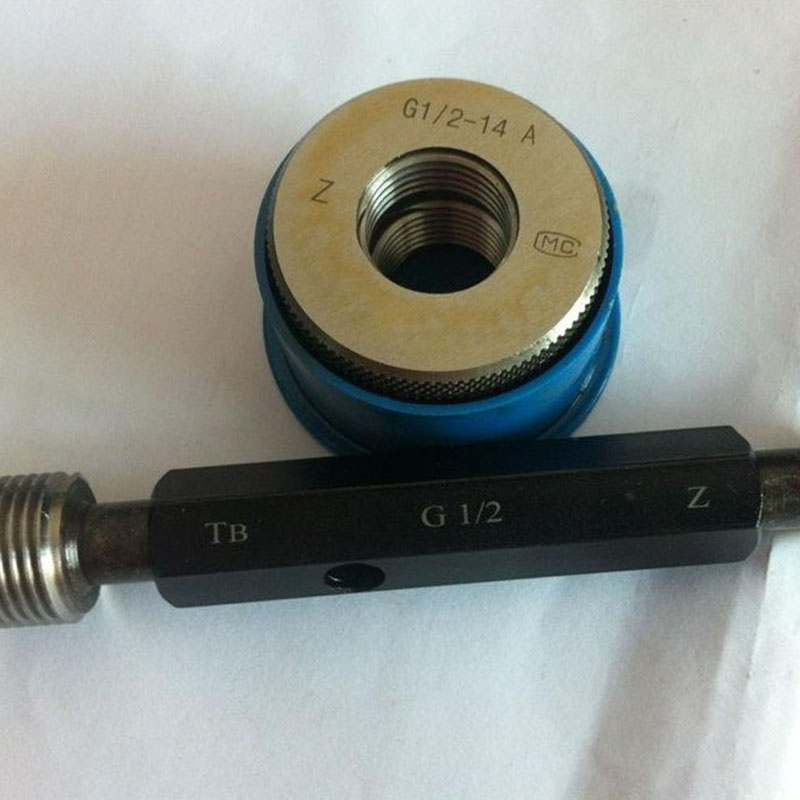
Measuring Tools for Metal Work Essential Instruments for Precision and Accuracy In the world of metalworking, precision is paramount. Whether you are a professional machinist, a metal fabricator, or an enthusiastic hobbyist, the accuracy of your measurements can significantly impact the quality of your work. Utilizing the right measuring tools not only enhances your ability to create parts that fit and function correctly, but it also improves efficiency and reduces material wastage. This article delves into the essential measuring tools for metal work, exploring their functions and importance. 1. Calipers Calipers are versatile tools that are used to measure the distance between two opposite sides of an object. There are various types of calipers, including digital calipers, dial calipers, and vernier calipers. Digital calipers are particularly popular due to their ease of use and the ability to provide direct readings on an LCD screen. They can measure internal, external, and depth dimensions with a high degree of accuracy, often down to 0.01mm. Their precision makes them indispensable for tasks such as checking the size of machined parts or measuring raw materials before fabrication. 2. Micrometers Micrometers are specialized measuring instruments designed for precise measurement of small dimensions. They are commonly used in machining applications where the highest level of accuracy is required. A standard micrometer typically measures dimensions within the range of 0 to 25 mm, although larger versions (up to several inches) exist. The screw mechanism allows for very tight tolerances, making micrometers ideal for measuring the thickness of metal sheets, wire diameter, or the outer diameter of rods. 3. Tape Measures While tape measures are commonly used in various fields, they play a crucial role in metalwork as well. Steel tape measures are preferred in metalworking due to their durability and resistance to stretching. They are available in different lengths, typically ranging from 3 to 100 feet. A good quality tape measure has a locking mechanism and a sturdy hook for measuring inside and outside dimensions. They are particularly useful for taking quick and versatile measurements on larger metal structures or layouts. measuring tools for metal work 4. Gauges Gauges are essential for ensuring that metal parts meet the required specifications. There are different types of gauges, each designed for specific measurement tasks. For instance, thickness gauges are used to ascertain the thickness of metal sheets, while feeler gauges measure gaps or clearances between parts. Caliper gauges are often employed to measure surface hardness or the distance between surfaces. Utilizing gauges ensures that the components fit together correctly and function as intended. 5. Squares and Levels Squares and levels are critical tools in metalworking for checking the accuracy of angles and surface levelness. Try squares are used to verify right angles, ensuring that assembled frames or structures maintain their integrity. Metal levels are equipped with vials to indicate whether a surface is horizontal (level) or vertical (plumb). Using these tools is crucial during assembly to prevent complications that arise from misalignment, which can lead to functional problems in the final product. 6. Protractors For projects that require angular measurements, protractors are invaluable. They allow users to measure angles with precision, which is particularly important when cutting or joining metal pieces at various angles. Digital protractors are available, providing easy reading, while traditional ones come with a scale for manual measurement. Proper angle measurement is crucial in tasks like welding and machining, where even slight deviations can affect the functionality of components. Conclusion In summary, accurate measuring tools are a cornerstone of successful metalworking. Calipers, micrometers, tape measures, gauges, squares, levels, and protractors each play a distinct role in ensuring precision and quality. By investing in reliable measuring instruments and using them correctly, metalworkers can enhance their craftsmanship, reduce waste, and achieve high-quality results in their projects. Embracing these essential tools not only fosters a deeper understanding of the materials involved but also contributes to overall safety and efficiency in the workshop. Whether you are a seasoned professional or a novice, mastering the use of these measuring tools will undoubtedly elevate your metalworking skills to new heights.
-

High quality industrial productsagement

High quality industrial products
View Details -

Meet the diverse needs of customers

Meet the diverse needs of customers
View Details -

Strict quality control

Strict quality control
View Details -

Top raw materials

Top raw materials
View Details -

Trusted supplier

Trusted supplier
View Details
Our application
news and information
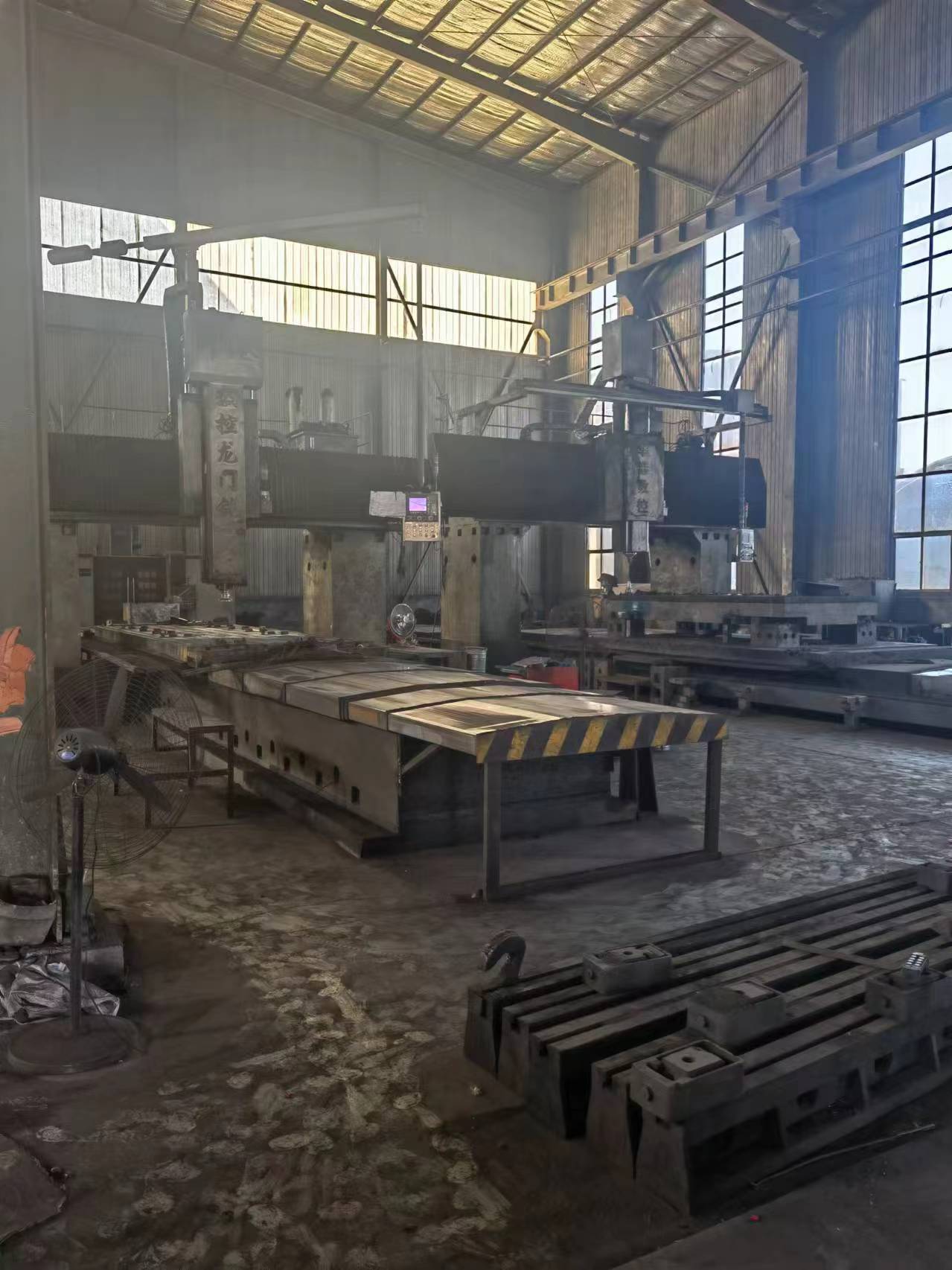
Welding Fabrication Techniques and Best Practices for Efficient Projects
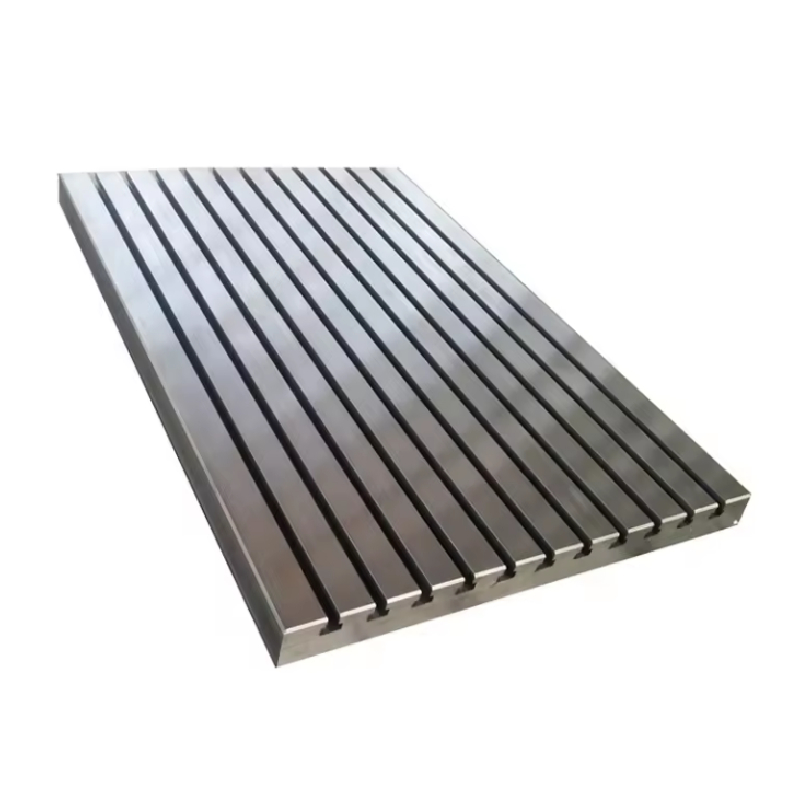
Understanding the Importance of Welding Fabrication Tables in the Industry Welding fabrication table
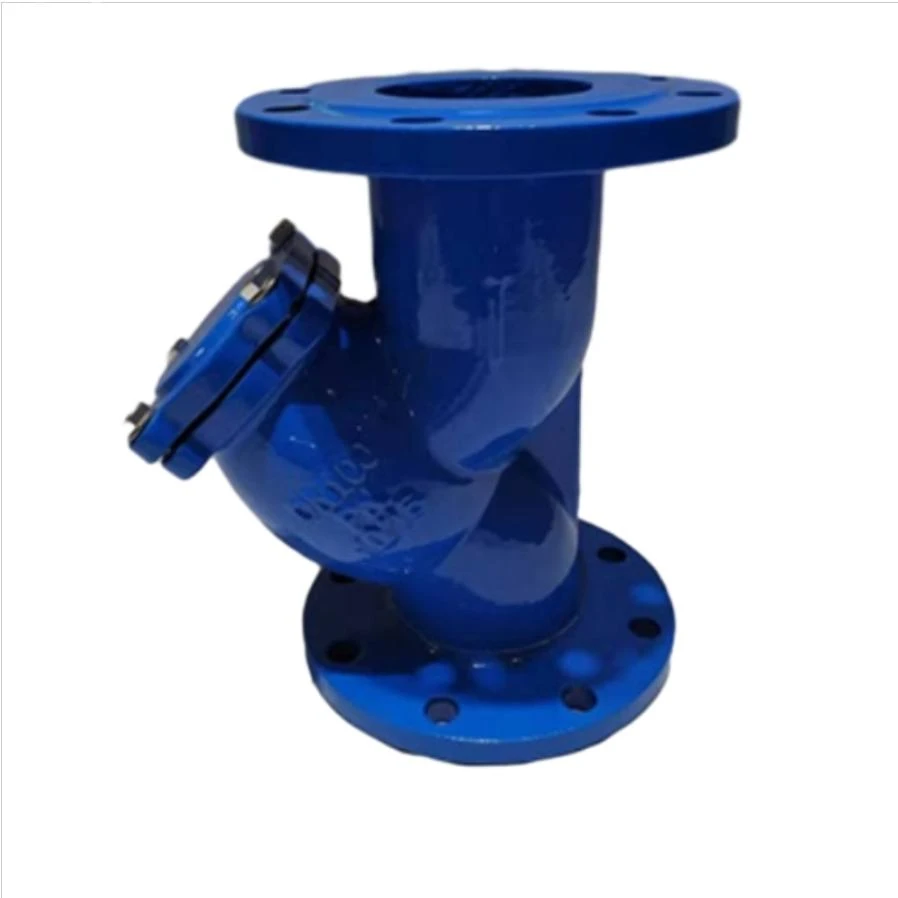
Using a Level for Accurate Measurements with a Marking Ruler
Using a Marking Ruler with Spirit Level A Guide to Precision in Projects When it comes to achieving
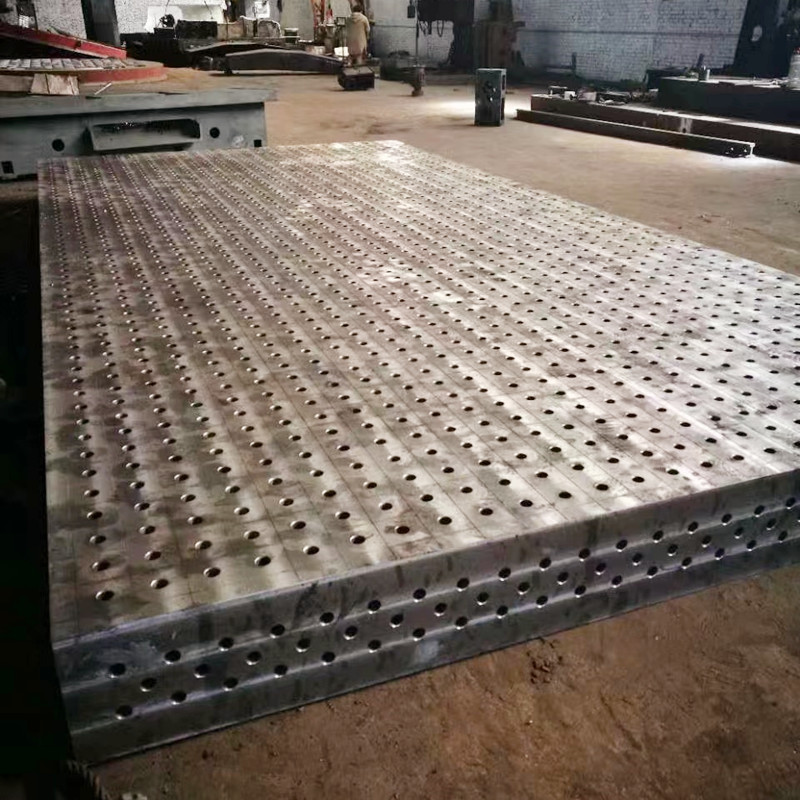
Using stamped truss nails for plate connection.
The Significance of Stamping in Truss Nail Plate Technology In the realm of construction and woodwo
 English